Scripture Scents
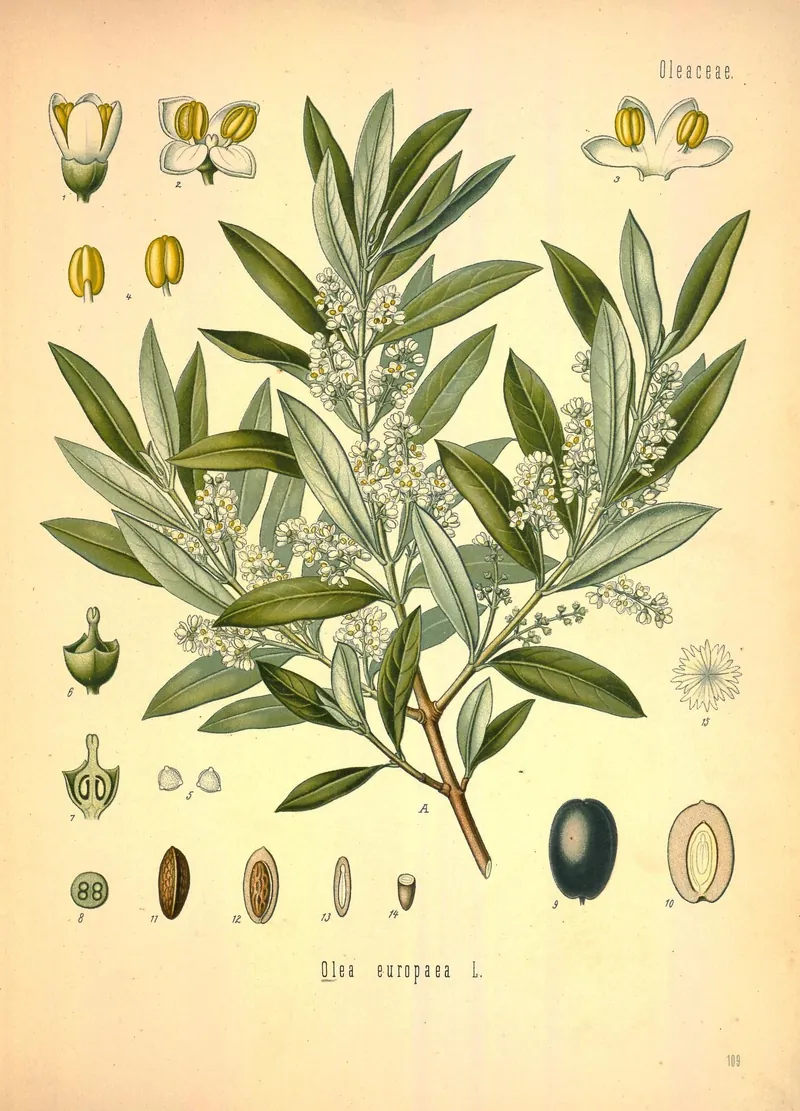
Olive oil
Hebrew shemen zayit
Exodus 30:24
Olive oil is the quiet foundation of biblical perfume. Every anointing in Scripture, from priests and kings to the sick, rests on it, and it carried the spices of the holy anointing oil.
In Scripture
Take the finest spices: of liquid myrrh 500 shekels, and of sweet-smelling cinnamon half as much, that is, 250, and 250 of aromatic cane, and 500 of cassia, according to the shekel of the sanctuary, and a hin of olive oil. And you shall make of these a sacred anointing oil blended as by the perfumer; it shall be a holy anointing oil.
Exodus 30:23–25 (ESV)
Exodus 30:24 calls for “a hin of olive oil,” about four quarts, to carry the myrrh, cinnamon, cane and cassia of the holy anointing oil. Samuel anoints David with a horn of oil (1 Samuel 16:13). Psalm 133 compares unity to the precious oil running down Aaron’s beard, and Psalm 23 says “you anoint my head with oil.” James 5:14 tells the elders to anoint the sick with oil in the name of the Lord. In each case the oil marks someone as set apart or cared for. Oil also gave light. Israel was to bring “pure beaten olive oil for the light” of the tabernacle lamp (Exodus 27:20), and in Jesus’ parable the wise virgins are the ones who brought enough oil for their lamps (Matthew 25:1–13). On the night before his death Jesus prayed in Gethsemane, a name usually explained as “oil press.”
What it is today
Ancient perfumers steeped spices and resins in oil rather than alcohol, which was not distilled for perfume until much later. Olive oil was the most common carrier in Israel. Greek and Roman writers on perfume prized oil pressed from unripe olives, called omphacium, because it had less smell of its own and took up the scent of flowers and spices more cleanly. Olive oil is still the base of anointing oils in many churches, and of the chrism used in Catholic and Orthodox sacraments, which is blended with balsam or with many spices.
In the bottle
For a modern oil perfume, olive oil is not the best carrier. It has its own green, fruity smell, it is heavy on the skin, and it oxidizes and goes rancid over time. Jojoba (technically a liquid wax) and fractionated coconut oil are more neutral and far more stable, so the materials you chose come through clearly. If you want to honor the tradition, a little extra-virgin olive oil can be part of a blend that is meant to be used quickly.